)
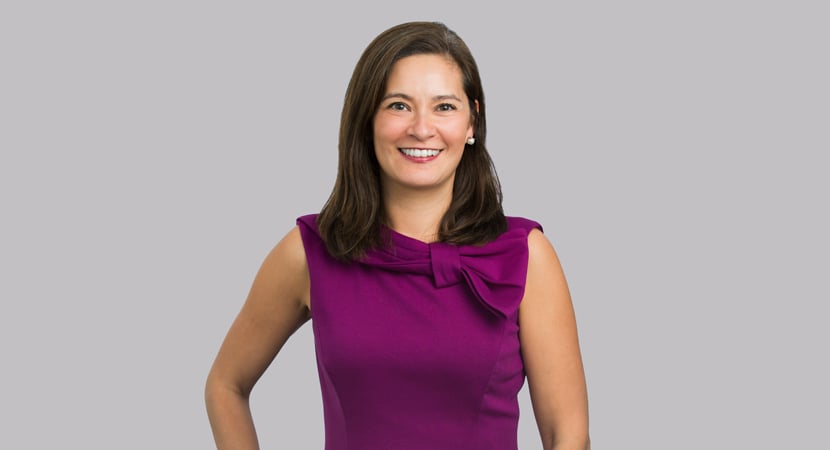
Loeb Advanced Media & Technology partner Nerissa Coyle McGinn is quoted in a recent Corporate Counsel article examining Florida’s proposed Safe Screens Act and its potential implications for companies navigating the rapidly evolving landscape of children’s online privacy and safety regulation. The sweeping proposal would establish age-verification and parental-consent requirements for app downloads by minors, restrict design features that may encourage excessive use or harm young users’ self-image, and prohibit certain AI-chatbot interactions that could expose minors to harmful or inappropriate content.
Nerissa noted that the proposal brings together multiple strands of children’s privacy regulation into a single legislative framework.
She also discussed the growing significance of state age-verification mandates, pointing to an existing Texas law and a similar California measure set to take effect in 2027. By providing app developers with information about users’ ages, these requirements could make it increasingly difficult for companies to maintain that they are unaware of minors using their platforms.
“That’s been the big issue we’ve had for years,” Nerissa said. “Companies are saying no, we’re general audience, we don’t have actual knowledge that we have kids on our site. Now, they’re going to have actual knowledge.”
To read the full article, please visit Corporate Counsel’s website (subscription may be required).