)

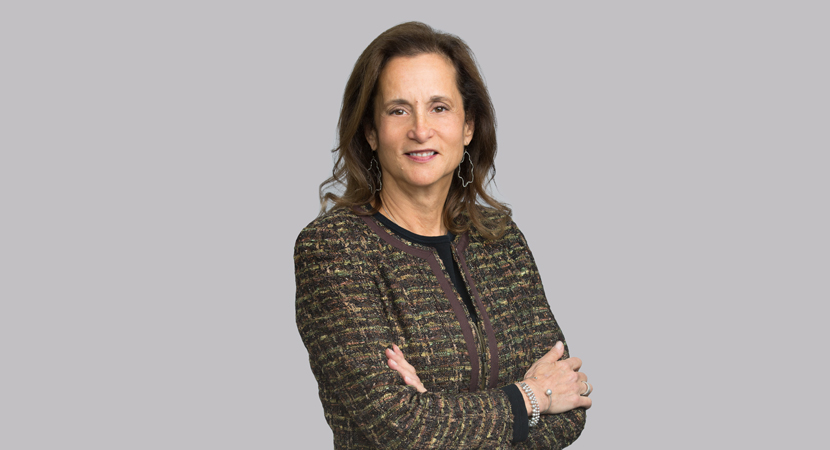
In 1986, Hess, Segall, Guterman, Pelz, Steiner & Barovick (Hess Segall) merged into Loeb & Loeb. As we mark 40 years since this foundational milestone in our firm’s history, Laurie Ruckel, managing partner of our New York office, reflects on the early days at Loeb, the atmosphere leading up to the merger, and the shared culture and vision that have remained constant through decades of growth.
As we celebrate 40 years since the Hess Segall merger, what are your earliest memories of the New York office?
I joined the New York office in 1985 as a junior lawyer, becoming the office’s 21st lawyer just before the Hess Segall merger with Loeb & Loeb. I remember hearing about the potential merger through what felt like a closely guarded secret—so much so that I recall one senior associate told me that if someone passing me in the hall tugged on their ear, it was a signal they had more news to share about discussions of merging with a California-based firm. As a young associate and the only associate in my department at the time, I also remember being excited about more colleagues joining the office and expanding our teams.
How has the New York office evolved over the past four decades, and what changes have had the greatest impact on its growth and success?
Before the merger, Hess Segall was a highly regarded boutique firm, but it was still relatively small. Becoming part of a bicoastal, multi-office firm expanded both our reach and the range of services we could offer clients. It also gave us the opportunity to collaborate with lawyers across practices and offices, which has been a significant factor in the firm’s growth and success over the years.
What aspects of the office’s culture and identity have remained constant since the merger?
One thing that has never changed is our positive, collaborative culture. At Hess Segall, we were a tight-knit group that worked closely together and supported one another, and maintaining that spirit was very important after the merger. I’ve always felt that Loeb has successfully preserved that culture as we’ve grown. I think that is reflected in the relationships formed here, including the friendship and mutual respect between Hess Segall founder Lee Steiner and Loeb’s John Frankenheimer, which remained evident throughout their careers.
How has the New York office strengthened its connections with clients, industries and the broader community over the past 40 years?
Even before the merger, Hess Segall had a strong reputation, particularly in the entertainment and trust and estates industries, and people knew who we were. Over time, Loeb became a broader national resource for clients as our capabilities expanded. That growth encouraged us to continually evaluate who we wanted to be as a firm and how we could best serve clients across industries and markets.
Looking ahead, what opportunities do you see defining the next chapter for the New York office?
I hope we continue to grow alongside our clients’ needs while building on the strengths of all our departments. One of the firm’s great strengths has always been its willingness to invest thoughtfully in areas where additional support or resources are needed, whether through laterals or developing talented junior lawyers. We’ve always had a clear sense of who we are as a firm. I think continuing to grow in a deliberate way while maintaining that identity will help define our next chapter.
It’s been a remarkable journey to witness the New York office’s growth from the Hess Segall days to where we are today. While the firm has evolved significantly over the past 40 years, the commitment to collaboration, outstanding client service and thoughtful growth has remained constant.