)
When Congress enacted the Modernization of Cosmetics Regulation Act in 2022, MoCRA was hailed as a sweeping overhaul of the Food and Drug Administration’s cosmetic safety and quality standards. Yet, years later, MoCRA has largely stalled. FDA is notably delayed in enacting manufacturing and labeling rules, and the broad regulatory freeze under the Trump administration means FDA’s lack of movement on MoCRA will likely continue.
But the beauty industry is not in regulatory limbo. On the contrary, sweeping change is here—at the state level.
At least 17 states have passed “toxic free laws.” Some are already in effect, others take effect in 2026 and 2027, and even more bills are working their way through state legislatures across the country.
Toxic-free laws restrict or ban allegedly harmful ingredients in consumer products, including cosmetics and personal care products.
In essence, states are legislating “clean beauty.”
Under these laws, cosmetics brands, manufacturers, distributors and retailers may be at risk for government enforcement, civil penalties and even class actions. Loeb & Loeb can help.
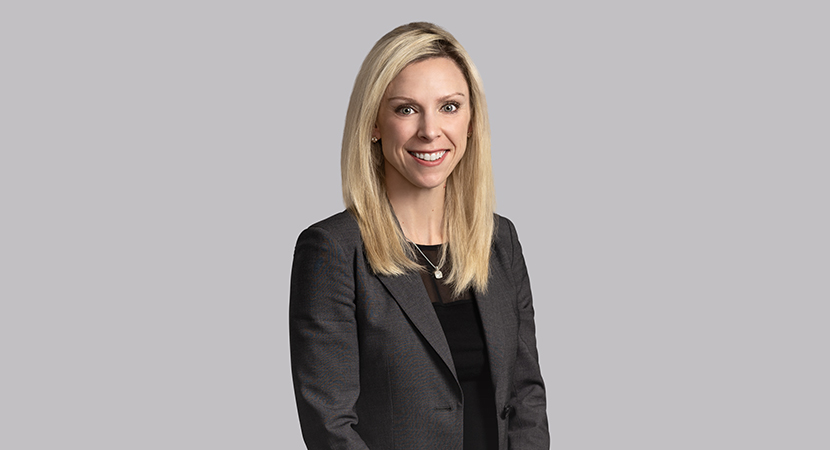
Check out the next episode in our In the Know video series, “The Clean Beauty Trend Becomes State Law,” narrated by partner Kristen Klesh, to learn more about state toxic-free laws and how Loeb’s multidisciplinary Health & Wellness practice can help companies navigate them.
-
 合伙人
合伙人