)
The path to a career in entertainment is no longer linear. Performers who began as digital creators are entering the industry with built-in audiences, clear identities and direct relationships with fans, challenging the traditional reliance on gatekeepers. This shift is redefining how credibility is established, how opportunities are evaluated and how long-term careers are built.
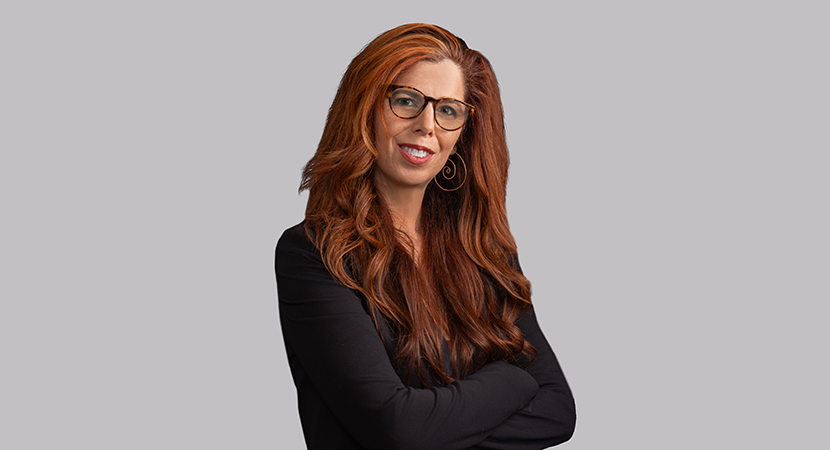
In this Q&A, Loeb Entertainment partner Monika Tashman examines how creators are expanding the role of the modern performer, the business and legal considerations shaping sustainable growth, and what it takes to turn visibility into a lasting career.
Tell us about your practice and the types of matters you generally handle.
I work across a range of industries, from music and film to publishing, fashion and emerging platforms, representing both established talent and entrepreneurial creators who are building modern, multiplatform businesses.
What makes my practice distinct is the ability to bridge different creative spaces. Much of my early work focused on musical artists, developing an understanding of how artists build audiences, protect their creative output and translate cultural relevance into business value. I also learned to dice and splice copyrights to optimize revenue. That foundation now extends to comedic influencers, thought leaders, authors and other creators who are shaping conversations across platforms. Whether it’s a comedian building a media brand or a thought leader exploring board opportunities, the principles are the same: business strategy rooted in clear positioning, brand alignment that reflects authentic values and deal structures designed to preserve long-term control and upside. I’m drawn to clients who approach their careers with intention and want their business decisions to reflect who they are, not just what performs well in the moment.
At its core, my role is to help clients move beyond individual deals and think about long-term optimization. Every negotiation is tailored to their values, risk tolerance and career objectives, with a focus on aligning identity, opportunity and growth. I help clients evaluate when to move forward, when to pivot and how to build a foundation that supports both creative and commercial success over time.
How are performers who began their careers as digital creators redefining credibility and career momentum in the entertainment industry?
Today, every artist is also an influencer and every influencer can also be an artist. What holds true for both artist and influencer is that audiences expect more access, more consistency and a stronger sense of connection to the person behind the work. It is no longer enough to release a song, write a book, produce a clip or just do so through one medium—performers are expected to show up continuously and engage across platforms.
The definition of “performance” has also expanded. For comedians, it’s no longer just about jokes or one skit; it’s about their perspective, persona, conviction and integrity. For a recording artist, they’re not only releasing songs but also sharing a broader narrative that includes their image, values and creative process. Across the industry, there is no fixed lane. Creators move between formats, blending entertainment, commentary and brand partnerships into a unified narrative.
What does this mean for credibility? Credibility now comes from resonance. The creators who show up reliably—with a clear point of view and recognizable presence—build trust over time. And when that trust deepens, it winds into cultural identity and sometimes personal identity. It is easy to forget that influencers wheel and deal in influence and that influence shapes how people see themselves and the choices they make. Whether it is an allegiance to a brand of liquor, a beauty product or a lifestyle philosophy, audiences are not just consuming content—they are also absorbing values, aesthetics and aspirations that become part of who they are.
As performers build careers across platform ecosystems, what kinds of business or legal considerations are becoming most important in shaping sustainable, long-term opportunities?
The biggest risk is misalignment between who they are and the opportunities they pursue. When a creator separates their identity from their content or partners in ways that do not reflect their values, it weakens the connection that built their audience in the first place. Sustainable careers are built on consistency across identity, content and business decisions. That alignment not only strengthens audience loyalty; it also drives better opportunities, whether with brand partners, studios or other collaborators.
At the same time, the business and legal demands behind content creation have increased significantly. What appears as short-form or user-generated content often involves professional production, clearances, releases and compliance with advertising, union and platform guidelines. There is also a growing need to protect intellectual property, including name, likeness and original content, to ensure creators can monetize what they use now and build an archive for the future. While generating and distributing content has never been more accessible, it’s important to have a strategy and cover your bases, especially when it comes to monetization and risk management. Missteps can lead to content being removed, financial exposure or reputational damage. In a fast-moving environment, creators who want to tap into performance careers cannot afford gaps in compliance.
We’re also seeing a broader shift among brands away from focusing solely on follower counts. They’re taking a closer look at a creator’s engagement, loyalty and the ability to convert attention into revenue. Brands are taking a step back and looking deeper into the numbers and basic business performance indicators to see a consistent history of audience conversion. Given this shift among brands, creators who approach their platforms with a structured business strategy will differentiate themselves.
What shifts do you expect to shape how performers develop and negotiate their careers going forward?
The next phase of the industry will favor creators who approach their careers with intention from the outset. As the lines between content, identity and business continue to blur, success will depend on how well those elements are aligned and structured. The focus is shifting from short-term visibility to long-term value, where credibility is built through consistency, clear positioning and the ability to translate audience connection into sustainable evergreen opportunities.
This also raises the bar for what a creator’s career can be. If a creator is looking for an enduring career meant to stand for generations and not just survive the next season, they need to build something that will be preserved and celebrated. The content is the architecture everyone admires, but underneath it all there needs to be engineering that can bear the load.
That is why it’s essential to have a team of advisors and counsel that understands the nuances of the entertainment industry and how quickly it moves. Our team serves as architects for creators and performers at all levels, designing the legal frameworks, business strategies and financial systems that keep the whole structure sound but in line with their vision. The creators who invest in that engineering early are the ones who can keep building higher without fear of collapse. They can renovate, expand, weather earthquakes and still be standing when the trends that surrounded them have crumbled to dust. In a world where fame can rise fast and fall faster, where money can come fast and go fast, a creator needs a legal and business team that isn’t interested in building a pop-up but something that can stand the test of time.