)
In November 2025, the Crown Prosecution Service, the principal public agency that conducts criminal prosecutions in England, charged Hauser & Wirth, one of the world’s most prominent blue-chip art galleries, with having evaded sanctions that prohibit the direct or indirect delivery of luxury goods worth over £250 (approximately $336) to “a person connected with Russia.”
The gallery is accused of making Escape from Humanity (2021), a work by the artist George Condo, available to Russian national Alexander Popov, who runs the Popov Art Foundation near Moscow and who, interestingly, is neither a sanctioned individual nor accused of any wrongdoing. This prosecution is the first of its kind in the United Kingdom under this luxury goods regulation. It’s the latest development in law enforcement’s crackdown in the UK art market and, given the low monetary threshold that triggers a violation, portends even stricter standards for compliance. Hauser & Wirth has pleaded not guilty, and the case is scheduled to go to trial in January 2028.
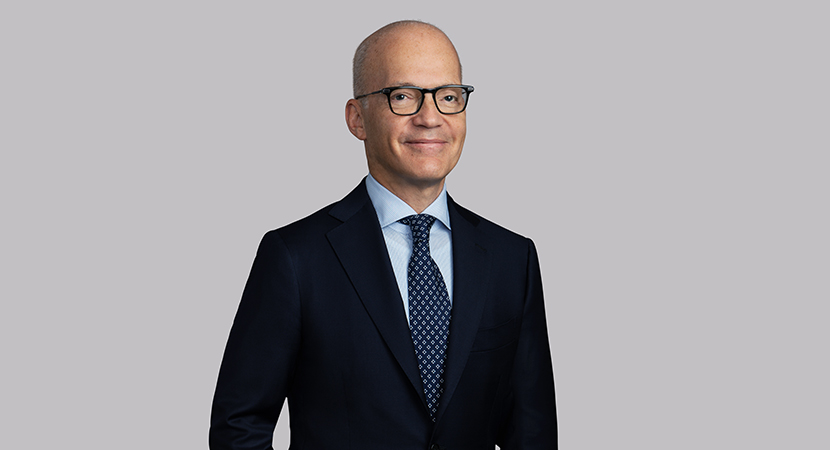
In this Wealth Management article, Loeb & Loeb Art & Cultural Property senior counsel Georges Lederman examines increasing regulatory scrutiny and enforcement actions targeting money laundering in the global art market. Using recent prosecutions and sanctions-related cases as context, he explains how illicit funds are funneled through high-value artworks and outlines the legal framework governing anti‑money laundering compliance. The article highlights common red flags—such as opaque ownership structures, suspicious payment methods and high-risk counterparties—and emphasizes the importance of due diligence.
To read the full article, please visit Wealth Management’s website (subscription required).
The gallery is accused of making Escape from Humanity (2021), a work by the artist George Condo, available to Russian national Alexander Popov, who runs the Popov Art Foundation near Moscow and who, interestingly, is neither a sanctioned individual nor accused of any wrongdoing. This prosecution is the first of its kind in the United Kingdom under this luxury goods regulation. It’s the latest development in law enforcement’s crackdown in the UK art market and, given the low monetary threshold that triggers a violation, portends even stricter standards for compliance. Hauser & Wirth has pleaded not guilty, and the case is scheduled to go to trial in January 2028.
In this Wealth Management article, Loeb & Loeb Art & Cultural Property senior counsel Georges Lederman examines increasing regulatory scrutiny and enforcement actions targeting money laundering in the global art market. Using recent prosecutions and sanctions-related cases as context, he explains how illicit funds are funneled through high-value artworks and outlines the legal framework governing anti‑money laundering compliance. The article highlights common red flags—such as opaque ownership structures, suspicious payment methods and high-risk counterparties—and emphasizes the importance of due diligence.
To read the full article, please visit Wealth Management’s website (subscription required).
-
 资深顾问律师